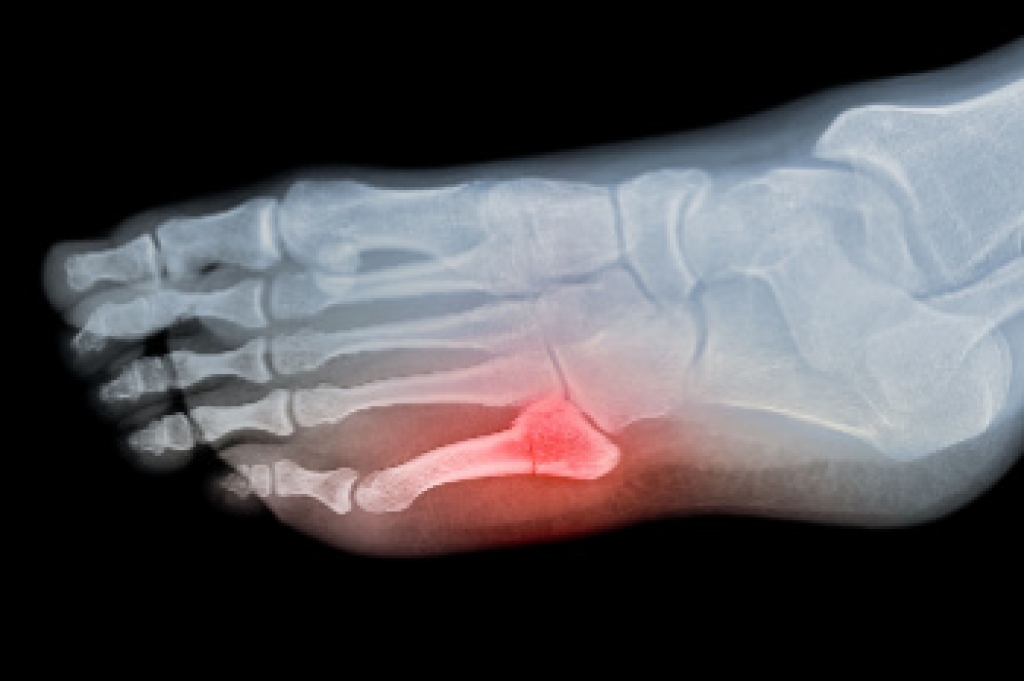
Foot fractures occur when one or more bones in the foot crack or break because of an injury, repeated stress, or weakened bone strength. While accidents and sports injuries are common causes, some fractures may indicate an underlying condition, such as osteoporosis. This condition reduces bone density, making bones weaker and more likely to break. Since the feet support body weight during walking and standing, weakened bones may be more vulnerable to fractures during other everyday activities. Understanding the connection between foot fractures and bone density can help you recognize potential problems and protect your long-term foot health.
The relationship between bone density and foot fractures is important because healthy bones need sufficient strength to withstand daily pressure. Osteoporosis develops when bones lose density and structure, increasing their susceptibility to breaks. A stress fracture may occur after repeated activities, even without a major injury, while other fractures can happen after a simple fall. Risk factors include older age, previous fractures, smoking, and low body weight. A family history of osteoporosis can also increase risk. Although not every foot fracture indicates osteoporosis, repeated fractures or breaks following minor injuries may suggest reduced bone strength that deserves further evaluation.
Symptoms of a foot fracture vary depending on the affected bone and the severity of the injury. Common signs include localized pain, swelling, and bruising around the injured area. You may also experience tenderness when pressure is applied or difficulty putting weight on the foot. Stress fractures sometimes begin with mild discomfort that gradually worsens during activity. Because these symptoms resemble sprains or other foot conditions, an accurate diagnosis is important. A podiatrist will examine the foot, assess tenderness and swelling, and use X-rays or other appropriate imaging when necessary to identify the fracture and determine its severity.
Treatment for foot fractures depends on the location and type of break. A podiatrist may recommend rest, immobilization with a cast or walking boot, and restricted weight-bearing to allow the bone to heal. Follow-up appointments and imaging tests may be needed to monitor healing and determine when normal activities can safely resume. If a fracture appears unusual or occurs after minor trauma, the podiatrist may recommend bone-density evaluation to investigate possible osteoporosis. Adequate nutrition and avoiding smoking can support bone health. If you have broken your foot, it is suggested that you consult a podiatrist for effective relief and treatment solutions.
A broken foot requires immediate medical attention and treatment. If you need your feet checked, contact Dr. Howard Horowitz from Bowie Foot & Ankle . Our doctor can provide the care you need to keep you pain-free and on your feet.
Broken Foot Causes, Symptoms, and Treatment
A broken foot is caused by one of the bones in the foot typically breaking when bended, crushed, or stretched beyond its natural capabilities. Usually the location of the fracture indicates how the break occurred, whether it was through an object, fall, or any other type of injury.
Common Symptoms of Broken Feet:
- Bruising
- Pain
- Redness
- Swelling
- Blue in color
- Numbness
- Cold
- Misshapen
- Cuts
- Deformities
Those that suspect they have a broken foot shoot seek urgent medical attention where a medical professional could diagnose the severity.
Treatment for broken bones varies depending on the cause, severity and location. Some will require the use of splints, casts or crutches while others could even involve surgery to repair the broken bones. Personal care includes the use of ice and keeping the foot stabilized and elevated.
If you have any questions, please feel free to contact our office located in Bowie, MD . We offer the newest diagnostic and treatment technologies for all your foot care needs.
