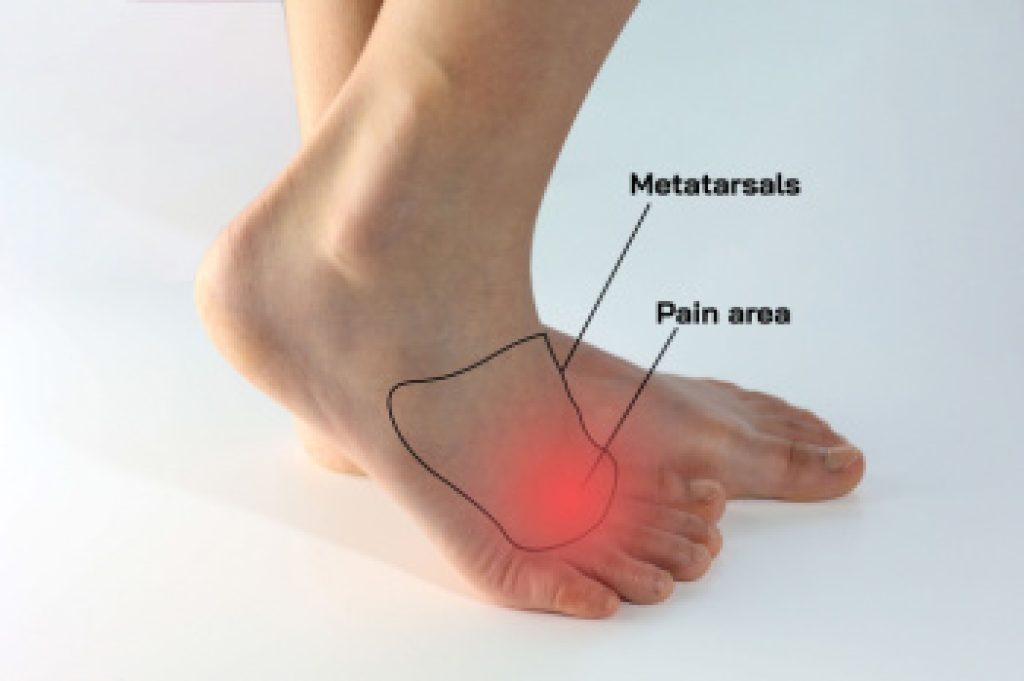
How to Find Relief From Morton's Neuroma

Morton's neuroma is a painful condition caused by thickening of the tissue surrounding a nerve between the toes, most commonly between the third and fourth toes. It develops when the nerve is compressed or irritated over time. Common causes include wearing high heels, narrow or pointed shoes, repetitive impact activities, and foot deformities such as bunions or hammertoes. Symptoms include burning pain, tingling, numbness, and the sensation of standing on a small stone. Risk factors include excessive walking or running, improper footwear, and certain foot shapes. A podiatrist can provide an accurate diagnosis, recommend footwear modifications, offer nonsurgical treatments, and guide long-term management. If you have pain in this part of your foot, it is suggested that you consult a podiatrist who can accurately diagnose and treat Morton’s neuroma.

Morton’s neuroma is a very uncomfortable condition to live with. If you think you have Morton’s neuroma, contact Dr. Howard Horowitz of Bowie Foot & Ankle . Our doctor will attend to all of your foot care needs and answer any of your related questions.  

Morton’s Neuroma

Morton's neuroma is a painful foot condition that commonly affects the areas between the second and third or third and fourth toe, although other areas of the foot are also susceptible. Morton’s neuroma is caused by an inflamed nerve in the foot that is being squeezed and aggravated by surrounding bones.

What Increases the Chances of Having Morton’s Neuroma?

  • Ill-fitting high heels or shoes that add pressure to the toe or foot
  • Jogging, running or any sport that involves constant impact to the foot
  • Flat feet, bunions, and any other foot deformities

Morton’s neuroma is a very treatable condition. Orthotics and shoe inserts can often be used to alleviate the pain on the forefront of the feet. In more severe cases, corticosteroids can also be prescribed. In order to figure out the best treatment for your neuroma, it’s recommended to seek the care of a podiatrist who can diagnose your condition and provide different treatment options.

If you have any questions, please feel free to contact our office located in Bowie, MD . We offer the newest diagnostic and treatment technologies for all your foot care needs.

Read more about Morton's Neuroma

Plantar Warts Can Be Treated!

Plantar warts are small growths that develop on parts of the feet that bear weight. They're typically found on the bottom of the foot. Don't live with plantar warts, and call us today!

Foot Pain May Be Linked to Rheumatoid Arthritis

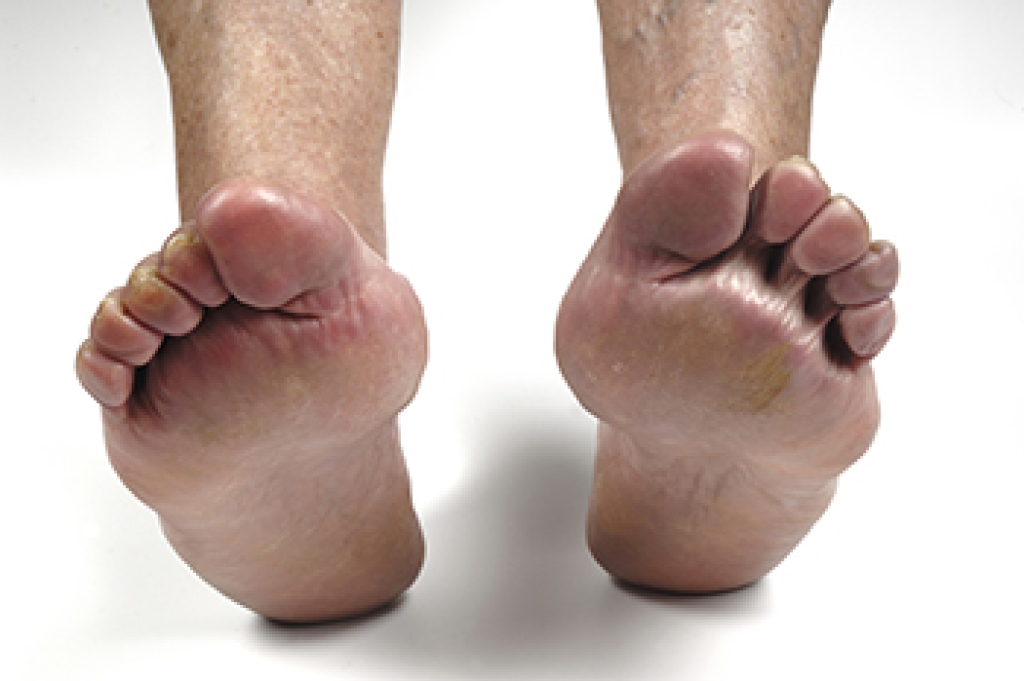
Foot pain is sometimes an early sign of rheumatoid arthritis, an autoimmune condition that causes inflammation in the joints. Unlike wear and tear osteoarthritis, rheumatoid arthritis often affects both feet and can involve the toes, midfoot, ankles, and surrounding soft tissues. People may notice stiffness that is worse in the morning, swelling, warmth, or pain that improves slowly with movement. Over time, inflammation can lead to joint deformities, changes in walking patterns, and increased pressure on certain areas of the foot. Early recognition is important because rheumatoid arthritis can progress and affect daily mobility. Wearing supportive footwear, custom orthotics, and activity modifications may help reduce strain on painful joints. When foot pain, swelling, or stiffness persists, it is suggested that you see a podiatrist for an evaluation, diagnosis, and appropriate treatment. Coordinated care with a rheumatologist is often part of long-term management. 

Because RA affects more than just your joints, including the joints in your feet and ankles, it is important to seek early diagnosis from your podiatrist if you feel like the pain in your feet might be caused by RA. For more information, contact Dr. Howard Horowitz of Bowie Foot & Ankle . Our doctor will assist you with all of your podiatric concerns.

What Is Rheumatoid Arthritis?

Rheumatoid Arthritis (RA) is an autoimmune disorder in which the body’s own immune system attacks the membranes surrounding the joints. Inflammation of the lining and eventually the destruction of the joint’s cartilage and bone occur, causing severe pain and immobility.

Rheumatoid Arthritis of the Feet

Although RA usually attacks multiple bones and joints throughout the entire body, almost 90 percent of cases result in pain in the foot or ankle area.

Symptoms

  • Swelling and pain in the feet
  • Stiffness in the feet
  • Pain on the ball or sole of feet
  • Joint shift and deformation

Diagnosis

Quick diagnosis of RA in the feet is important so that the podiatrist can treat the area effectively. Your doctor will ask you about your medical history, occupation, and lifestyle to determine the origin of the condition. Rheumatoid Factor tests help to determine if someone is affected by the disease.

If you have any questions, please feel free to contact our office located in Bowie, MD . We offer the newest diagnostic and treatment technologies for all your foot care needs.

Read more about Rheumatoid Arthritis in the Feet

Foot Anatomy and Its Role in Long-Distance Running

During long-distance running, foot anatomy plays a critical role in efficiency, balance, and injury prevention. The gait cycle places repeated stress on the foot as it absorbs impact and propels the body forward. Intrinsic muscles within the foot provide stability, arch support, and fine control, while extrinsic muscles originating in the leg generate power and guide motion. When these systems are overworked or imbalanced, running injuries like tendinitis and stress reactions may develop. Poor mechanics can increase strain on bones, muscles, and connective tissues, over time. A podiatrist can analyze running gait, identify biomechanical faults, and recommend custom orthotics, footwear guidance, and other targeted treatments. If you have foot pain from running, it is suggested that you consult a podiatrist who can offer effective treatment and prevention tips.

If you have any concerns about your feet, contact Dr. Howard Horowitz from Bowie Foot & Ankle . Our doctor can provide the care you need to keep you pain-free and on your feet.

Biomechanics in Podiatry

Podiatric biomechanics is a particular sector of specialty podiatry with licensed practitioners who are trained to diagnose and treat conditions affecting the foot, ankle and lower leg. Biomechanics deals with the forces that act against the body, causing an interference with the biological structures. It focuses on the movement of the ankle, the foot and the forces that interact with them.

A History of Biomechanics

  • Biomechanics dates back to the BC era in Egypt where evidence of professional foot care has been recorded.
  • In 1974, biomechanics gained a higher profile from the studies of Merton Root, who claimed that by changing or controlling the forces between the ankle and the foot, corrections or conditions could be implemented to gain strength and coordination in the area.

Modern technological improvements are based on past theories and therapeutic processes that provide a better understanding of podiatric concepts for biomechanics. Computers can provide accurate information about the forces and patterns of the feet and lower legs.

Understanding biomechanics of the feet can help improve and eliminate pain, stopping further stress to the foot.

If you have any questions please feel free to contact our office located in Bowie, MD . We offer the newest diagnostic and treatment technologies for all your foot and ankle needs.

Read more about The Importance of Biomechanics in Podiatry

The Importance of Good Foot Care in the Elderly

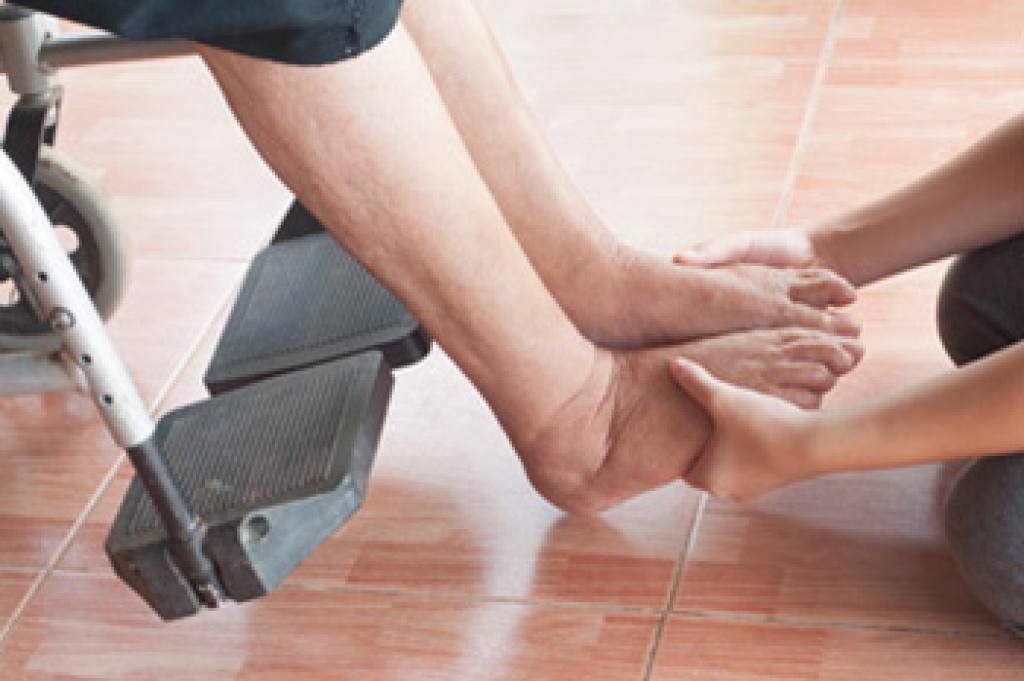
Good foot care in the elderly plays a vital role in preventing common foot problems and maintaining independence. Routine care helps reduce the development of corns, bunions, and painful skin or nail conditions that can interfere with walking. Healthy feet also improve balance and stability, which lowers the risk of falls and related injuries. When foot discomfort is addressed early, mobility improves, and overall well-being is enhanced, supporting an active and confident lifestyle. A podiatrist can provide regular foot evaluations, manage chronic conditions, treat painful deformities, and offer guidance on proper footwear and foot hygiene. If you or a loved one is experiencing foot pain or mobility concerns, it is suggested that you consult a podiatrist to protect foot health and support safe, comfortable movement at every stage of aging.

Proper foot care is something many older adults forget to consider. If you have any concerns about your feet and ankles, contact Dr. Howard Horowitz from Bowie Foot & Ankle . Our doctor can provide the care you need to keep you pain-free and on your feet.

The Elderly and Their Feet

As we age we start to notice many changes in our body, but the elder population may not notice them right away. Medical conditions may prevent the elderly to take notice of their foot health right away. Poor vision is a lead contributor to not taking action for the elderly.

Common Conditions 

  • Neuropathy – can reduce feeling in the feet and can hide many life-threatening medical conditions.
  • Reduced flexibility – prevents the ability of proper toenail trimming, and foot cleaning. If left untreated, it may lead to further medical issues.
  • Foot sores – amongst the older population can be serious before they are discovered. Some of the problematic conditions they may face are:
  • Gouging toenails affecting nearby toe
  • Shoes that don’t fit properly
  • Pressure sores
  • Loss of circulation in legs & feet
  • Edema & swelling of feet and ankles

Susceptible Infections

Diabetes and poor circulation can cause general loss of sensitivity over the years, turning a simple cut into a serious issue.

If you have any questions, please feel free to contact our office located in Bowie, MD . We offer the newest diagnostic and treatment technologies for all your foot care needs.
Read more about Geriatrics and Podiatry

Connect With Us