
How Children’s Feet Grow and Change

Children’s feet go through many changes as they grow. At birth, the foot is soft and flexible, with bones that are still forming. As a child begins to stand, walk, and run, the structures of the foot gradually strengthen and develop. Muscles, ligaments, and bones work together to support balance and movement. It is common for young children to appear flat-footed because a layer of soft tissue hides the developing arch. As growth continues, the arch usually becomes more visible. However, some children may experience discomfort, unusual walking patterns, or fatigue in their feet or legs. These concerns can sometimes be linked to alignment differences or other structural factors. Early attention can help support healthy development and comfortable movement. If you notice ongoing foot pain, frequent tripping, or uneven shoe wear in your child, it is suggested that you seek an evaluation by a podiatrist to determine the cause and guide appropriate treatment.

The health of a child’s feet is vital to their overall well-being. If you have any questions regarding foot health, contact Dr. Howard Horowitz of Bowie Foot & Ankle . Our doctor can provide the care you need to keep you pain-free and on your feet.

Tips for Keeping Children's Feet Healthy

  • Make sure their shoes fit properly
  • Look for any signs of in-toeing or out-toeing
  • Check to see if they have Clubfoot (condition that affects your child’s foot and ankle, twisting the heel and toes inward) which is one of the most common nonmajor birth defects.
  • Lightly cover your baby’s feet (Tight covers may keep your baby from moving their feet freely, and could prevent normal development)
  • Allow your toddler to go shoeless (Shoes can be restricting for a young child’s foot)
  • Cut toenails straight across to avoid ingrown toenails
  • Keep your child’s foot clean and dry
  • Cover cuts and scrapes. Wash any scratches with soap and water and cover them with a bandage until they’ve healed.

If you have any questions, please feel free to contact our office located in Bowie, MD . We offer the newest diagnostic and treatment technologies for all your foot care needs.

Read more about How to Care for Your Child's Feet

When the Talus Bone Is Fractured

A fractured talus can cause intense ankle pain, swelling, and difficulty walking because this bone connects the leg to the foot and helps control movement. It supports the ankle joint and the subtalar joint, which is located below the ankle and allows the foot to move side to side on uneven surfaces. The injury often follows a strong impact like a fall, and people may notice bruising, stiffness, and trouble moving the ankle or toes. A podiatrist can evaluate foot stability, check circulation and nerve response, and order imaging to see whether the bone has shifted. A stable fracture can be managed with a cast to limit motion, while a displaced fracture can require surgery to realign the bone. Without proper healing, arthritis can develop or the bone can heal in the wrong position. If you have symptoms of a talus fracture, it is suggested that you make an appointment with a podiatrist for a diagnosis and options for treatment.

test

Read more about All About Broken Ankles

Common Causes of Toe Pain

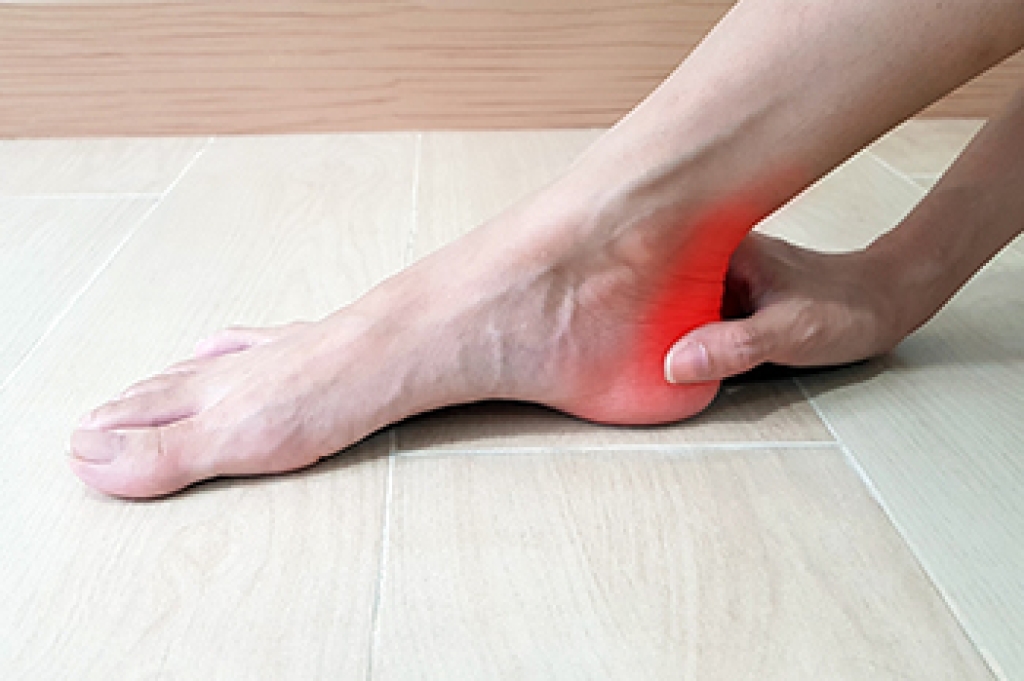
Toe pain can arise from a variety of causes, ranging from minor injuries to underlying medical conditions. Wearing tight or poorly fitting shoes can compress the toes, leading to discomfort, corns, or calluses. Ingrown toenails occur when the nail grows into the surrounding skin, causing pain, swelling, and sometimes infection. Sprained or stubbed toes from accidental trauma can also result in pain and difficulty walking. Medical conditions like gout may cause sudden, intense pain, redness, and swelling in the toes. Risk factors include high-impact activities, improper footwear, previous injuries, and certain health conditions. If you have toe pain, it is suggested that you consult a podiatrist who can determine what the cause is, and offer appropriate treatment solutions.

Toe pain can disrupt your daily activities. If you have any concerns, contact Dr. Howard Horowitz of Bowie Foot & Ankle . Our doctor can provide the care you need to keep you pain-free and on your feet.

What Causes Toe Pain?

Most severe toe pain is caused due to a sports injury, trauma from dropping something heavy on the toe, or bumping into something rigid. Other problems can develop over time for various reasons.

Toe pain can be caused by one or more ailments. The most common include:

  • Trauma
  • Sports injury
  • Wearing shoes that are too tight
  • Arthritis
  • Gout
  • Corns and calluses
  • Hammertoe
  • Bunions
  • Blisters
  • Ingrown toenails
  • Sprains
  • Fractures (broken bones)
  • Dislocations

When to See a Podiatrist

  • Severe pain
  • Persistent pain that lasts more than a week
  • Signs of infection
  • Continued swelling
  • Pain that prevents walking

Diagnosis

In many cases the cause of toe pain is obvious, but in others, a podiatrist may want to use more advanced methods to determine the problem. These can range from simple visual inspections and sensation tests to X-rays and MRI scans. Prior medical history, family medical history, and any recent physical traumatic events will all be taken into consideration for a proper diagnosis.

Treatment

Treatments for toe pain and injuries vary and may include shoe inserts, padding, taping, medicines, injections, and in some cases, surgery. If you believe that you have broken a toe, please see a podiatrist as soon as possible.

If you have any questions please contact our office located in Bowie, MD . We offer the newest diagnostic and treatment technologies for all your foot and ankle needs.
Read more about Toe Pain

How to Find Relief From Morton's Neuroma

Morton's neuroma is a painful condition caused by thickening of the tissue surrounding a nerve between the toes, most commonly between the third and fourth toes. It develops when the nerve is compressed or irritated over time. Common causes include wearing high heels, narrow or pointed shoes, repetitive impact activities, and foot deformities such as bunions or hammertoes. Symptoms include burning pain, tingling, numbness, and the sensation of standing on a small stone. Risk factors include excessive walking or running, improper footwear, and certain foot shapes. A podiatrist can provide an accurate diagnosis, recommend footwear modifications, offer nonsurgical treatments, and guide long-term management. If you have pain in this part of your foot, it is suggested that you consult a podiatrist who can accurately diagnose and treat Morton’s neuroma.

Morton’s neuroma is a very uncomfortable condition to live with. If you think you have Morton’s neuroma, contact Dr. Howard Horowitz of Bowie Foot & Ankle . Our doctor will attend to all of your foot care needs and answer any of your related questions.  

Morton’s Neuroma

Morton's neuroma is a painful foot condition that commonly affects the areas between the second and third or third and fourth toe, although other areas of the foot are also susceptible. Morton’s neuroma is caused by an inflamed nerve in the foot that is being squeezed and aggravated by surrounding bones.

What Increases the Chances of Having Morton’s Neuroma?

  • Ill-fitting high heels or shoes that add pressure to the toe or foot
  • Jogging, running or any sport that involves constant impact to the foot
  • Flat feet, bunions, and any other foot deformities

Morton’s neuroma is a very treatable condition. Orthotics and shoe inserts can often be used to alleviate the pain on the forefront of the feet. In more severe cases, corticosteroids can also be prescribed. In order to figure out the best treatment for your neuroma, it’s recommended to seek the care of a podiatrist who can diagnose your condition and provide different treatment options.

If you have any questions, please feel free to contact our office located in Bowie, MD . We offer the newest diagnostic and treatment technologies for all your foot care needs.

Read more about Morton's Neuroma

Plantar Warts Can Be Treated!

Plantar warts are small growths that develop on parts of the feet that bear weight. They're typically found on the bottom of the foot. Don't live with plantar warts, and call us today!

Connect With Us